Table Of Content

The sight of his sculpture Flower Matango in the Palace of Versailles is an ideal illustration of the thrilling clash between traditional art and pop culture. By presenting a new hybrid of these influences, Murakami takes his place as one of the most thought-provoking Japanese artists working today. You can check out Iconic Japanese Contemporary Artworks to discover more!
Mitsubishi Motors Wins Good Design Award 2023 in Japan with the Triton, Xforce and Delica Mini(News Release) - News Release Mitsubishi Motors Corporation
Mitsubishi Motors Wins Good Design Award 2023 in Japan with the Triton, Xforce and Delica Mini(News Release).
Posted: Thu, 05 Oct 2023 07:00:00 GMT [source]
Stairway House – Nendo
An important element of ma is temporal—it can have a time element to it, an interval. It’s not essential that time be a part of it, but often it is and in ways not always obvious. It’s a void, but this doesn’t mean “empty space.” Actually it’s closer to meaning “open space” and can be vibrant and dynamic. Celebrating creativity and promoting a positive culture by spotlighting the best sides of humanity—from the lighthearted and fun to the thought-provoking and enlightening. The colonial authorities constructed a large number of public buildings, many of which have survived. A large number of buildings from the Meiji, Taishō and Shōwa eras were lost during and after World War II, such as the Rokumeikan.
Playful Platforms Revamp This Japanese Lake House Into a Fun, Five-Story Retreat
Kozaburo Akasaka is a Japanese-born, New York-based designer who has been making a name for himself with his innovative designs and meticulous attention to detail. He is known for his distinctive style that blends traditional Japanese design elements with contemporary Western aesthetics. His collections often feature traditional Japanese textiles and techniques, such as shibori dyeing and sashiko stitching, and he has a unique approach to fabric manipulation that results in sculptural, almost architectural garments. His designs are often described as gender-fluid, as he blurs the lines between menswear and womenswear. Modern Kimono designer, Hiroko Takahashi, takes an article of clothing with deep history and roots and expands its potential.
Looking back at the birth of Japanese commercial art - Creative Review
Looking back at the birth of Japanese commercial art.
Posted: Mon, 08 Apr 2024 07:00:00 GMT [source]
Iconic Visual Style

As the highest caste of the social hierarchy, samurai were expected to be cultured and literate in addition to powerful and deadly. Because they served the wealthy nobility, who highly valued artistic pursuits, samurai warriors also idealized the arts and aspired to become skilled in them. The Japanese contemporary art scene is buzzing with innovation and creativity. We are pleased to share with you some of the most ingenious contemporary artists, craftswomen and men, who are often not as well-known internationally as they should be. At Inkbot Design, we understand the importance of brand identity in today's competitive marketplace. With our team of experienced designers and marketing professionals, we are dedicated to creating custom solutions that elevate your brand and leave a lasting impression on your target audience.
Japanese typography is much more complex than the Western alphabet with over 2,000 characters to write and three different scripts. No wonder calligraphy plays such a huge role in Japanese design—drawing letters is an art form in itself. With postmodernism and the popularity of computer software like Photoshop and Illustrator, a whole new world of design possibilities was available, and the Japanese fully embraced it.
Outdoor learning spaces animate Azabudai Hills school by Heatherwick Studio
This retro technique adds handmade, tactile warmth to modern digital designs. Letterpress connects generations through knowledge transfer workshops while revitalising an old craft. Despite digital design dominance, letterpress printing is witnessing a revival in Japan.
Making sure that you understand the cultural background of Japanese designs will show respect and sophistication in your own creative work. Their client work often displays playful minimalism, combining hand-drawn illustrations with elegant lines and shapes. More recently, the 1990s revival of Pop Art ("Neo-Pop") has some influential proponents like artist Takashi Murakami, who blends Japanese folklore with manga, American Pop Art, and design. Moreover, adolescents and especially teenage girls were a vast untapped market and companies started targeting these demographics - as we can see from the most famous kawaii character of all, Hello Kitty, created by stationery brand Sanrio. Kawaii, referring to things that are "cute" or "lovable," is a global cultural phenomenon but has its roots in the very same scrolls as manga.
House in Akashi
Different tokens of devotion to Japan and its Emperor featuring the Hinomaru motif became popular among the public during the Second Sino-Japanese War and other conflicts. These tokens ranged from slogans written on the flag to clothing items and dishes that resembled the flag. In similar hopeful and anticipatory fashion, the famous Japanese architect, Kenzo Tenge, designed the Hiroshima Peace Memorial Park.
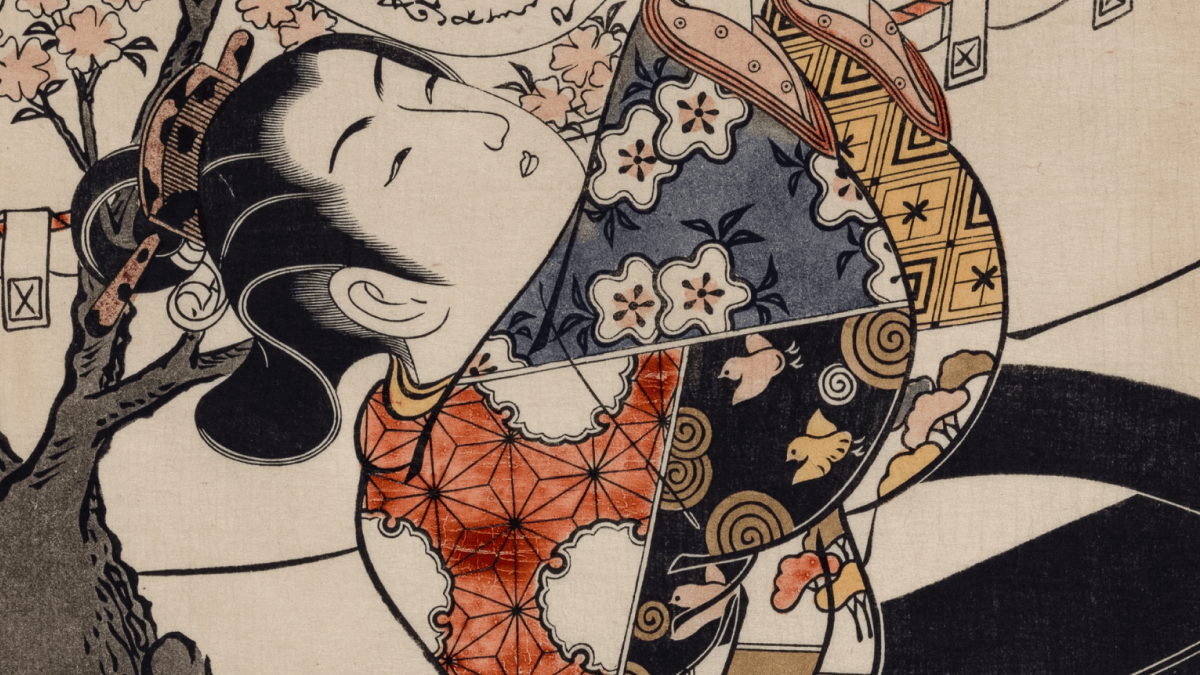
In particular woodblock prints, ukiyo-e, reached their apex in popularity and sophistication. An image of a natural scene is not just a landscape, but rather a portrait of the sacred world, and the kami who live within it. The centrality of nature throughout Japanese art history endures today, see for example these 5 Authentic Japanese Garden Designs. These three designers contributed significantly to corporate branding, advertising, poster art, and more. Their innovations blended past and present to define the postwar Japanese style. Now that you have a pretty comprehensive understanding of Japanese graphic design history, philosophy, and principles, let's take a look at some contemporary examples and trends that you can see today.
“After the closed-border policy of Japan, which lasted for around 200 years, they opened their borders in the mid 1850s,” Rietbergen explains. Scandinavian designers and artists began visiting Japan and quickly became enthralled with the Japanese style. “They were very enthusiastic about the country, culture, and all the amazing items in the shops. These items became an inspiration for a lot of artists and designers in Scandinavia,” Rietbergen continues.
This traditional technique uses a physically movable type pressed into paper. It emerged in Japan in the 1600s but dwindled with offset lithographic printing in the 1900s. She has 10+ years' experience in graphic design and marketing and holds a Master's degree in Art Education. You can see its influence throughout modern and contemporary Japanese art. We briefly discussed ukiyo-e woodblock printing earlier in this article.




No comments:
Post a Comment